Palace Music Summer Concerts: Vicente Parrilla & Gamut Consort • Lossimuusika
Tuesday, May 26, 2026 at 7 p.m. Kadriorg Palace / Kadriorg Art Museum
PALACE MUSIC SUMMER CONCERTS
A RENAISSANCE WITHOUT BORDERS
Vicente Parrilla (Spain)
Ensamble Gamut Consort
Reet Sukk, Taavi-Mats Utt, Andres Siitan
Program: masterworks, reworkings and improvisation
In cooperation wit Ensemble Cantores Vagantes, Spanish Embassy in Tallinn and festival Iberofest
This programme explores the richness and flexibility of Renaissance polyphony through the sound of the recorder consort. Bringing together music from Spain, Italy, and England, it moves between masterworks and reworkings, and opens space for improvisation in dialogue with historical practice. Works by Cristóbal de Morales, Costanzo Festa, Vicente Lusitano, and William Byrd reveal common contrapuntal techniques while preserving distinct stylistic voices. The result is a Renaissance in motion, where written composition and creative reimagining meet in performance.
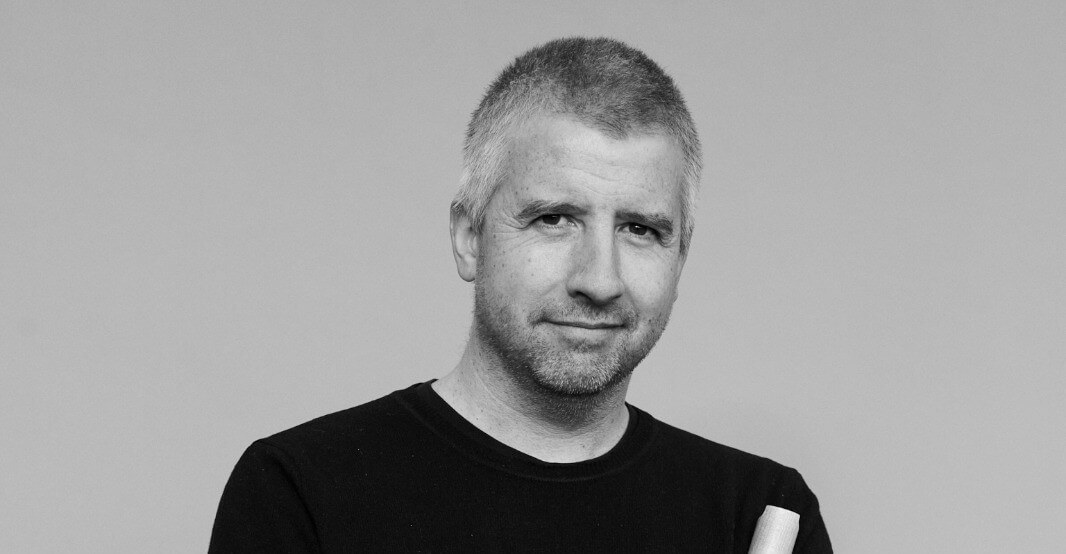
The recorder ensemble of Cantores Vagantes was founded in 2011, and since it had clearly developed the characteristics of an independent ensemble in terms of both its membership and repertoire, we adopted the name Gamut Consort in 2016. The ensemble’s work can be divided into several different, mutually supportive directions. First of all, an unusual one: the copying of 16th-century recorders. During the 20th century, many standards for the performance of early music were established, and the music and instruments of the 16th-century recorder consort have not remained untouched by this process. Authentic replica instruments are largely absent from the market; instead, stylized versions are offered in their place, and their use directly affects interpretation. Exact replica instruments help bring us closer to the true nature of this music, but at the same time they require experimentation and a certain amount of retraining. New instruments receive their first practical use within our ensemble, and the repertoire expands accordingly. Gamut Consort is the only regularly active Renaissance recorder ensemble in the Baltic states.
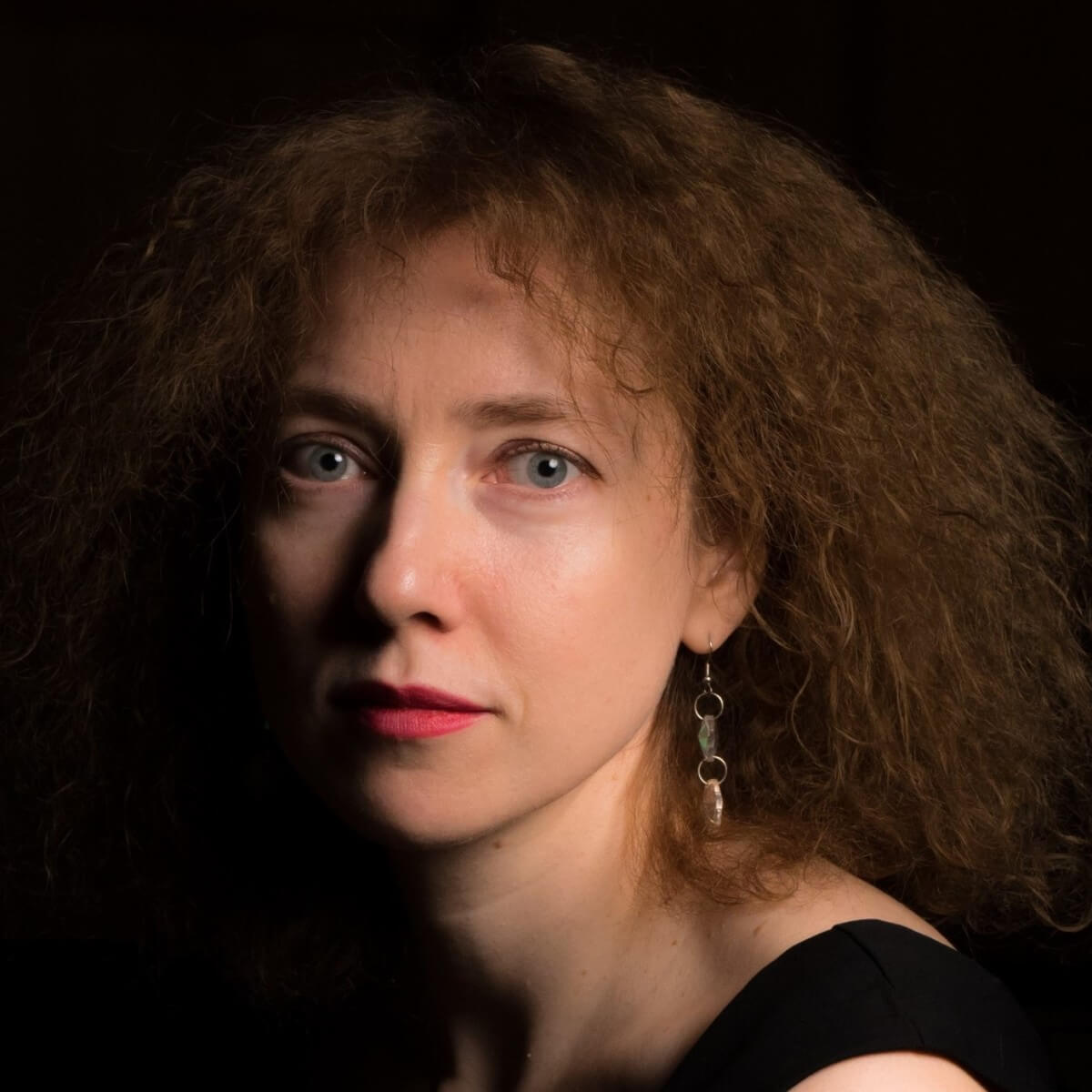
Vicente Parrilla is a musician, recorder player, doctoral researcher at the Research Foundation – Flanders (FWO) and professor at KU Leuven. He is one of the few early music performers who focus entirely on improvisation.
His concert career began at an early age, when at just twenty he released his debut CD featuring music by the 17th-century Spanish composer B. de Selma y Salaverde. Parrilla leads the ensemble More Hispano and collaborates with many musicians from different genres, including jazz pianist Enrico Pieranunzi, jazz bassists Barry Guy and Pablo Martín Caminero, and flamenco artists Rocío Márquez and Patricia Guerrero. He has also worked with numerous early music ensembles, including Euskal Barrokensemble, Accademia del Piacere, and The Royal Wind Music Consort, and has appeared as a soloist with the Seville Baroque Orchestra and the Madrid Symphony Orchestra. In addition to performing at many festivals, he has appeared in renowned concert halls throughout Europe and Latin America. Critics have praised his approach to improvisation. The New York Times commended the engaging improvisations of his ensemble, and American Record Guide recognized him as one of the most expressive and skillful contemporary recorder players.
Parrilla studied recorder at the Seville Conservatory with Guillermo Peñalver, then continued his studies at the Royal Conservatory in The Hague under Jeanette van Wingerden, and later with Walter van Hauwe at the Amsterdam Conservatory, graduating in 2001. He continued his studies with Pedro Memelsdorff at ESMUC in Barcelona and obtained a master’s degree in musicology, music pedagogy, and early music from the University of Barcelona and the Catalonia College of Music (2018). He has recently completed his doctoral dissertation at KU Leuven / LUCA School of Arts and docARTES, where as an FWO scholarship holder he focused on Renaissance improvisational counterpoint.
Parrilla headed the recorder department at the Seville Conservatory from 2004 to 2019 and continues to teach recorder, ornamentation, and improvisation in masterclasses at conservatories throughout Europe, including in Madrid, Zaragoza, Basel (Schola Cantorum Basiliensis), and Faro. His discography includes three albums as leader of More Hispano — Canzoni, Fantasie et Correnti (1998), Yr a oydo (2010), and GLOSAS (2011) — as well as recordings with other ensembles on the labels Alia Vox Diversa, Glossa, and Carpe Diem.
Vicente Parrilla has a special and warm connection with Estonia. In the late 1990s, he studied together with Reet Sukk and Taavi-Mats Utt at the Royal Conservatory of The Hague, where both friendships and a shared musical outlook were formed. Those years of study have remained a lasting bond between us to this day. It was with great pleasure that we welcomed Vicente Parrilla in November 2024 to the early music festival Tallinn feat Reval, where he gave outstanding and highly successful concerts together with his ensemble More Hispano.
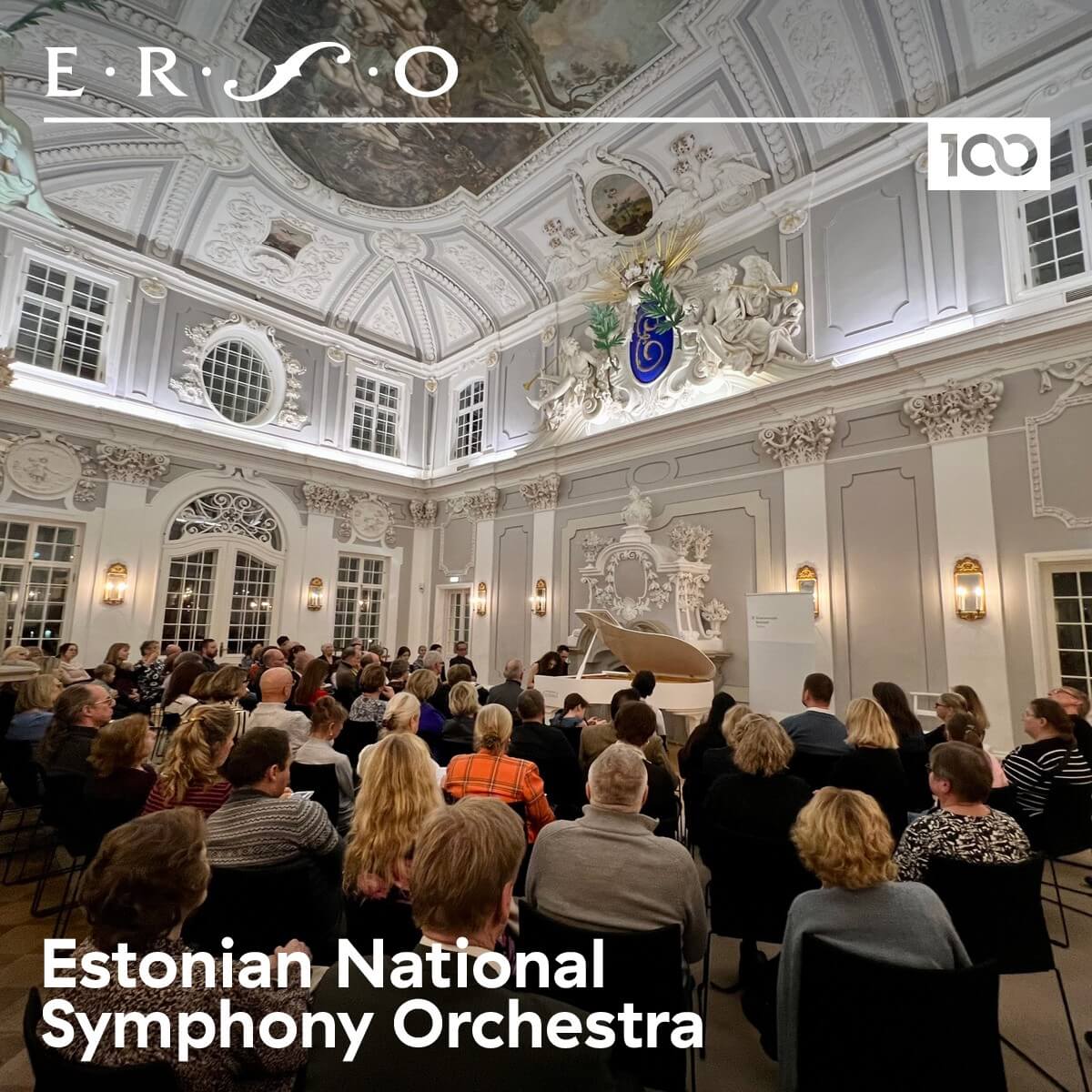
Kadriorg Palace is one the most well known and beautiful historic concert halls in Estonia offering memorable music experiences already for many decades. The tradition of performing music in the baroque palace goes back to 18th century when court music accompanied the daily life. The palace has had the pleasure to welcome many international artists and ensembles for outstanding performances.
The construction of the Kadriorg Palace was started by the Tsar Peter the Great of Russia in 1718. It was named Catharinenthal (in Estonian Kadriorg) in honour of his wife Catherine I. The palace was designed by the Italian architect Nicola Michetti and its abundantly decorated main hall is one of the most exquisite examples of baroque architecture both in Estonia and in northern Europe.
Kadriorg Palace has always been the crown jewel of Tallinn. The small festive tsars’ palace in the style of Roman Baroque, surrounded by a regular garden, with fountains, hedges and flowerbeds, planned after the model of Versailles.
The palace was a summer residence of Russian emperors untill 1917. In the 1920s, and again in 1946-1991 palace served as the main building of the Art Museum of Estonia. In the 1930s, it was the residence of the Head of State of the Estonian Republic. In 2000, it was opened as the Kadriorg Art Museum, which displays the largest collection of old Russian and Western European art in Estonia.
Music has been performed in the palace halls since the 18th century. In the past few decades, the most brilliant Estonian and international musicians have delighted listeners in the palace. Regular concerts started to take place in the Kadriorg Palace again in 2014, when the museum launched the Palace Music Concert Series. The extraordinary acoustics and the magnificent interior of the main hall make every concert a truly enjoyable artistic experience.
The artistic director of the Palace Music Concert Series is Aare Tammesalu.
In cooperation of the Art Museum of Estonia.
Tickets are on sale at the Kadriorg Art Museum and Piletikeskus outlets.
Supporters: Estonian Ministry of Culture, The Cultural Endowment of Estonia, Estonian Public Broadcasting, Tallinn Culture and Sports Department, UNESCO City of Music Tallinn, Kultuurikõla, Pointprint
Special thanks: Visit Estonia, Visit Tallinn, Õhtuleht
Concert tickets are not refundable, but if necessary, we can exchange them for passes to other Palace Music concerts
Event timeline/line-up